
If you’re running VxRail (VMware) today and considering Hyper-V on Dell, the biggest shift is not “Dell vs Dell.” It’s VMware stack vs Microsoft stack. You can keep Dell-grade compute and storage while changing the virtualization layer and the economics behind renewals.
What stays the same
1) You can keep Dell infrastructure performance and enterprise support
A common misconception is that leaving VMware means leaving the “Dell ecosystem.” Not true.
- Dell PowerEdge remains your compute platform.
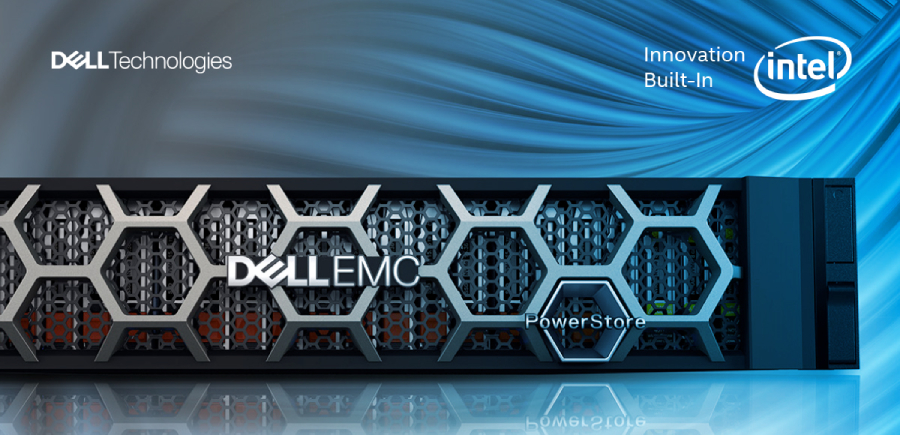
- Dell PowerStore remains your modern all-flash storage foundation, designed around end-to-end NVMe and dual active/active controllers for consistent low-latency performance.
- Dell continues to publish and maintain guidance for integrating PowerStore with Microsoft Hyper-V.
2) Your core goals don’t change
Your goals are still:
- predictable performance
- fast recovery
- easy scaling
- fewer operational surprises
- a platform your team can run confidently
The “platform swap” is a means to those ends.
What changes (and why it matters)
1) The virtualization layer and management model
With VxRail, you’re typically in a VMware-centered operational world (vCenter, VMware lifecycle, VMware licensing constructs, etc.).
With Hyper-V, the world becomes Microsoft-centered:
- Windows Server + Hyper-V clustering and host management
- Integration with Microsoft tooling (Windows Admin Center / System Center depending on your org)
- Familiar identity and policy foundations (Active Directory, GPOs, Windows patching patterns)
For many organizations, that isn’t “new.” It’s simply more aligned with the rest of their environment.
2) The renewal and procurement risk profile
The #1 reason customers start looking is cost uncertainty and procurement rules changing.
Industry reporting has described major VMware licensing shifts post-acquisition and enforcement changes affecting renewal economics. For example, CRN reported increases in minimum core purchase requirements and late renewal penalties described in partner communications.
Separately, licensing analysts note the broader shift toward subscription-only models and bundling that can change how organizations forecast VMware costs over time.
Translation: even if you love the technology, you may not love the budgeting risk.
3) The architecture becomes more “build the stack you want”
VxRail is an integrated HCI platform. That’s a benefit—until it isn’t.
Moving to Hyper-V on Dell gives you a choice:
- Build classic three-tier (compute + SAN + network)
- Build converged patterns
- Keep it simple and right-sized instead of buying a rigid bundle
This flexibility is often what customers want when they feel locked into renewal decisions.
What a “good” Hyper-V on Dell design looks like (plain-English)
A lot of customers ask: “If we leave VxRail, are we going backwards?”
Not if you design it correctly.
A practical target architecture usually includes:
- PowerEdge hosts sized for your VM workloads
- Redundant networking (segmented VLANs for management / VM / storage)
- PowerStore providing VM datastores over block (FC or iSCSI), configured using Dell guidance for Hyper-V
- A backup platform that supports image-level + app-consistent backups
- A phased migration plan so production isn’t “all or nothing”
Who is this alternative best for?
Hyper-V on Dell is often an excellent fit when:
- Your VMware renewal is materially increasing or becoming unpredictable
- You’re already a Microsoft-standardized shop
- You want enterprise storage performance (PowerStore) without being tied to VMware licensing constraints
- You want a migration path that doesn’t force you to re-platform everything at once
You may decide to stay VMware when:
- You’re deeply embedded in VMware-specific tooling and automation
- You’re mid-transformation and switching platforms introduces unacceptable timing risk
Either way, Abtech can help you build a plan you can defend.
CTA: “VxRail Exit Assessment” — Abtech compares (1) renew, (2) renegotiate, (3) migrate to Hyper-V with Dell infrastructure, with a clear recommendation and timeline.
Unlocking the Power of Hyper-V: Seamless Integration
Hypervisor Migration Services – Abtech IT Solutions and Managed IT Services